


Medication is usually the first treatment for trigeminal neuralgia, and many people find that it controls their facial pain for long periods. However, for others, medication stops working over time or causes side effects that interfere with daily life. Doctors, in these situations, may discuss procedures that target the nerve or the cause of the pain. Not every patient is suited to every procedure, however, and the decision depends on a combination of medical findings, health factors and personal priorities.
Procedures That May Be Considered
Several types of procedures are used, each working in a different way. The main options include:
- Microvascular decompression, an operation that separates a blood vessel from the nerve.
- Percutaneous procedures, such as radiofrequency treatment, balloon compression or glycerol injection, which reduce pain signals by deliberately affecting part of the nerve through a needle inserted in the cheek.
- Stereotactic radiosurgery, which directs focused radiation at the nerve without an incision.
Each option has its own recovery period, possible side effects and likelihood of pain returning, which is why suitability is assessed individually.
Medical Factors Doctors Assess
The first set of considerations relates to the condition itself and the patient’s health.
Confirmation of the Diagnosis
Before a procedure is recommended, doctors usually want to be confident that the pain is due to trigeminal neuralgia rather than another cause of facial pain, such as a dental problem or postherpetic neuralgia. A typical pattern of brief, triggered attacks and a past response to medication can support the diagnosis.
How Medication Has Worked
Procedures are generally considered when medication no longer controls the pain or when side effects, such as drowsiness, dizziness or difficulty concentrating, become hard to manage. Doctors often review which medicines have been tried, at what doses and for how long.
MRI Findings
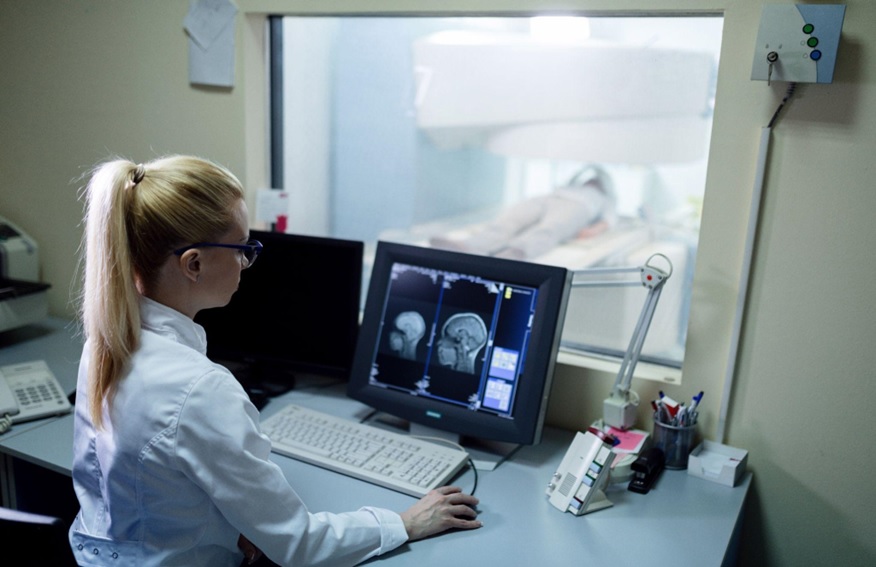
An MRI scan may show a blood vessel pressing on the nerve, which can make microvascular decompression a possible option. If the scan reveals another cause, such as multiple sclerosis or a tumour, the treatment plan may change. Patients are often referred to a pain specialist in Singapore or a neurosurgeon to interpret these findings in context.
General Health and Fitness for Anaesthesia
Microvascular decompression requires general anaesthesia and an opening in the skull. People with significant heart or lung conditions, or those who are frail, may be advised to consider less invasive options. Blood-thinning medication and other health conditions are also reviewed before any procedure. Older age alone does not always rule out surgery, but it is weighed together with overall fitness.
Factors Related to the Pain and Its History
The characteristics of the pain, and how it has responded before, can also influence suitability.
Pain Pattern
People with purely sharp, episodic attacks may respond differently from those who also experience constant aching or burning pain. Continuous pain may be less likely to improve after some procedures. Doctors usually explain how this may affect expected results before a decision is made.
Location of the Pain
Pain involving the forehead and eye area may require extra caution with certain procedures, as numbness in this region can affect the protective reflexes of the eye.
Previous Treatments
Earlier procedures, their results and any side effects, such as lasting numbness, help guide the next step. Some procedures can be repeated if symptoms return, while others are less suited to repetition.
Personal Priorities
Patients’ preferences matter as well. Some prioritise the longest possible period without pain, while others prefer to avoid major surgery or accept a slower onset of relief. Willingness to accept facial numbness, the time available for recovery and the importance of returning to work quickly are all discussed during consultations.
A Shared Decision
Suitability is rarely determined by a single factor. That said, by reviewing the diagnosis, response to medication, imaging results, overall health, the nature of the attacks and personal goals, doctors and patients can decide together which option, if any, fits each individual situation.
Reach out to The Pain Clinic to arrange a consultation and discuss whether a procedure may suit your condition.
