


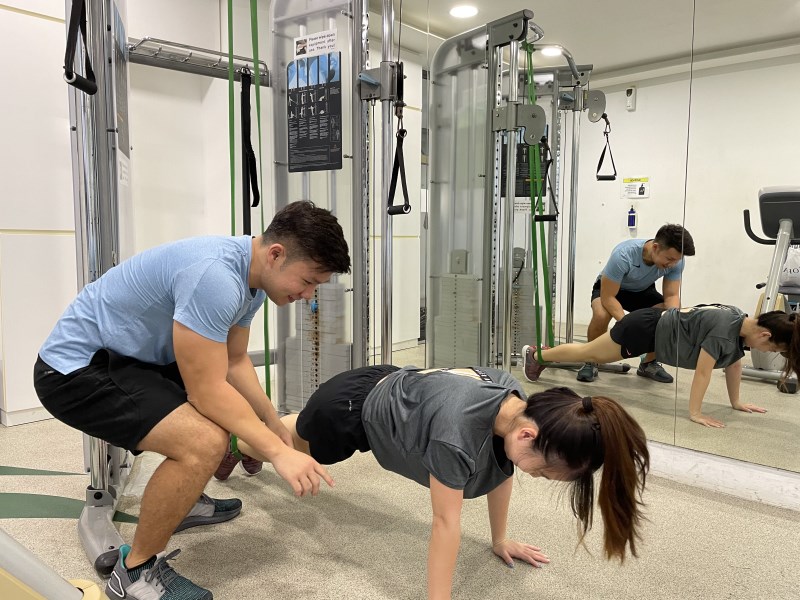
Recovering from an injury can be one of the toughest phases for anyone who enjoys staying active. Many people in Singapore resume training too quickly after an injury, only to end up worsening their condition or suffering recurring pain. That’s where the expertise of personal training Singapore comes in. Today’s certified trainers are not just fitness professionals, they are recovery specialists who combine science, movement therapy, and mindfulness to help clients regain strength, balance, and confidence without overtraining.
The Shift from Fitness to Functional Recovery
Traditional gym routines once focused on aesthetics or strength. However, the new generation of personal trainers in Singapore prioritises functional recovery. This approach integrates physiotherapy principles, corrective exercises, and mobility work into structured programmes designed to rebuild movement patterns safely.
After an injury, muscles and joints often lose coordination. A trainer’s goal is not just to rebuild strength but to restore function, ensuring that every movement supports long-term health. This transformation in mindset has made Singapore a hub for injury-aware training, where recovery and performance go hand in hand.
The Science Behind Post-Injury Personal Training
Rehabilitation requires a deep understanding of the human body. Trainers analyse muscle imbalances, joint limitations, and neuromuscular control to develop safe and effective workout plans. This scientific approach involves three key components:
-
Assessment: Identifying areas of weakness, instability, or pain that may hinder progress.
-
Correction: Using targeted exercises to re-align posture and restore range of motion.
-
Progression: Gradually rebuilding strength, endurance, and flexibility without overloading the affected areas.
By applying these principles, trainers ensure that clients not only recover but come back stronger than before.
Individualised Programming: One Size Never Fits All
No two injuries are alike, and neither should recovery plans be. Personal trainers tailor programmes to the individual’s needs, goals, and stage of healing. For example:
-
A person recovering from a knee injury might focus on eccentric strength training, balance work, and gradual load-bearing exercises.
-
Someone with a shoulder strain may start with scapular stabilisation drills and progressive resistance bands before lifting weights again.
-
A client recovering from lower back pain may incorporate core activation and mobility exercises to improve spinal stability.
This level of personalisation helps prevent further damage while maintaining overall conditioning.
How Trainers Work Alongside Physiotherapists and Doctors
The collaboration between trainers, physiotherapists, and healthcare professionals is now a key part of post-injury recovery in Singapore. After the medical phase, when pain subsides and movement is permitted, personal trainers take over the functional phase.
They help clients transition from passive rehabilitation (guided by physiotherapists) to active strength and conditioning, where exercise becomes a powerful recovery tool. Communication between all professionals ensures consistent progress and avoids conflicting advice.
For instance, a physiotherapist may recommend mobility work, while a trainer incorporates stability exercises to reinforce that mobility. Together, they accelerate recovery while minimising setbacks.
The Role of Mind-Body Awareness in Recovery
Recovery isn’t only about rebuilding muscle; it’s also about retraining the mind. Personal trainers encourage mindfulness during sessions, helping clients tune into their bodies and notice how each movement feels. This body awareness reduces the risk of re-injury and promotes better coordination.
Trainers often use cues like:
-
“Move with control, not momentum.”
-
“Notice if you’re compensating with the other side.”
-
“Pause and breathe through the stretch.”
These small adjustments can make a huge difference in overall progress.
Avoiding the Pitfalls of Overtraining
Overtraining after an injury can delay recovery or even cause new problems. Many clients, eager to return to their previous fitness levels, push too hard too soon. Professional trainers prevent this by using measured progressions, guided intensity levels, and recovery tracking.
Some practical strategies include:
-
Monitoring Rate of Perceived Exertion (RPE) to avoid overexertion
-
Implementing active recovery sessions like swimming or yoga
-
Using heart rate and fatigue tracking to manage volume and load
-
Scheduling deload weeks to allow tissues to recover fully
Trainers also educate clients about the importance of rest, sleep, and nutrition—factors often underestimated during recovery.
Restoring Confidence and Movement Patterns
Beyond the physical, recovery involves rebuilding trust in one’s body. Many clients experience fear of movement after an injury. A skilled personal trainer gradually reintroduces exercises in a controlled environment, allowing clients to rediscover confidence through movement.
At True Fitness Singapore, trainers often use progressive load training and functional drills to ensure that clients can return to their favourite activities safely. Whether it’s running, lifting, or playing sports, each exercise is chosen to enhance joint stability and mobility simultaneously.
Smart Tools for Smarter Recovery
Technology plays a growing role in post-injury rehabilitation. Trainers now use wearable devices, mobility apps, and motion tracking tools to monitor progress accurately. These tools help identify asymmetries, detect fatigue, and measure improvements in flexibility or balance.
Some advanced gyms even use force plates or 3D motion scanners to evaluate biomechanical efficiency. Such data-driven insights help trainers fine-tune exercise selection and track recovery milestones objectively.
Nutrition and Recovery: A Critical Connection
Proper nutrition supports tissue healing and muscle regeneration. Personal trainers often coordinate with nutritionists to recommend meal adjustments that complement recovery goals. Clients are advised to consume:
-
Protein-rich foods to rebuild muscle fibres
-
Anti-inflammatory ingredients such as turmeric and omega-3 fatty acids
-
Hydration support for joint lubrication and nutrient absorption
Even timing matters. Post-workout meals that include protein and complex carbohydrates accelerate muscle repair and reduce soreness.
Long-Term Prevention Through Corrective Training
Once recovery is complete, prevention becomes the next priority. Trainers teach clients proper movement patterns to avoid future injuries. This includes posture correction, dynamic warm-ups, and mobility routines tailored to each individual’s lifestyle.
Some preventive techniques include:
-
Glute activation drills to protect knees and hips
-
Core strengthening to stabilise the spine
-
Functional movement screening every few months to detect imbalances early
By integrating these elements into regular fitness programmes, trainers ensure that clients maintain a strong and resilient body for years to come.
Recovery as a Lifestyle
Post-injury personal training is no longer a temporary phase—it’s a long-term investment in health. Clients who embrace sustainable training practices often develop a deeper understanding of their bodies. They move better, recover faster, and experience fewer setbacks.
This holistic approach promotes not just physical healing, but also mental resilience, discipline, and body awareness. It transforms rehabilitation into a continuous process of growth and renewal.
FAQ
Q1: How soon after an injury can I start personal training?
A1: Once your doctor or physiotherapist clears you for light movement, you can begin with mobility and corrective exercises guided by a qualified trainer.
Q2: Is it safe to work out while still experiencing mild pain?
A2: Trainers use pain as feedback. Mild discomfort can be normal, but sharp or worsening pain indicates the need to stop and reassess.
Q3: How do personal trainers prevent re-injury?
A3: By focusing on controlled movements, progressive overload, and balanced recovery. Trainers also monitor fatigue and modify exercises as needed.
Q4: What types of exercises are best for post-injury recovery?
A4: Mobility drills, resistance band exercises, stability training, and low-impact cardio are ideal during early recovery stages.
Q5: Can I continue my fitness goals while rehabbing an injury?
A5: Yes. Trainers modify workouts to focus on unaffected areas while protecting the injured part, maintaining overall fitness.
Q6: How long does full recovery usually take?
A6: It depends on the type of injury, consistency of training, and overall health. Trainers regularly reassess progress and adjust timelines.
Q7: Why is professional guidance important after an injury?
A7: Without expert supervision, it’s easy to overtrain or use poor form. Personal trainers provide structure, accountability, and safe progressions to ensure lasting recovery.
