


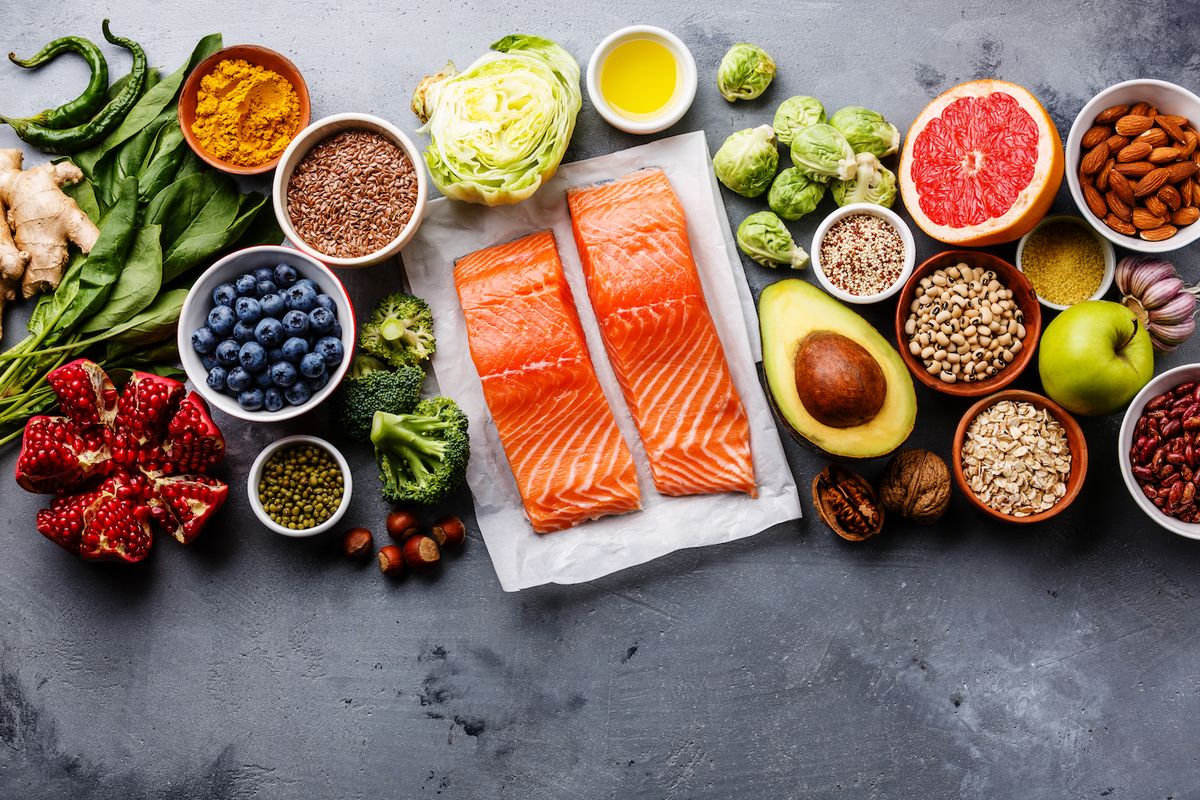
Eating well does not require complicated diets or expensive supplements. Many everyday foods naturally contain powerful nutrients that support energy levels, strengthen immunity, protect organs, and improve long-term wellness. These foods are often called superfoods because they deliver exceptional nutritional value in relatively small portions.
Adding superfoods to your meals regularly can help your body function more efficiently, maintain a healthy weight, and reduce the risk of chronic disease. Instead of focusing on restriction, improving nutrition naturally begins with choosing foods that work harder for your health.
What Makes a Food a Superfood
The term superfood refers to nutrient-dense foods that provide high levels of vitamins, minerals, antioxidants, fiber, or healthy fats. These nutrients support essential body functions such as cell repair, immune defense, digestion, and brain performance.
Superfoods typically offer several benefits at once, including:
- Supporting heart health
- Strengthening immune function
- Improving digestion
- Reducing inflammation
- Enhancing energy levels
- Protecting brain health
Including a variety of these foods ensures your body receives balanced nutrition across all major systems.
Blueberries Support Brain and Immune Health
Blueberries are widely recognized for their antioxidant content. These antioxidants help protect cells from damage caused by oxidative stress, which contributes to aging and disease development.
Key nutritional benefits include:
- Vitamin C for immune strength
- Fiber for digestive support
- Antioxidants that support memory and cognitive function
Regular consumption of blueberries may help maintain mental clarity and protect long-term brain health.
Adding them to smoothies, oatmeal, or yogurt makes them easy to include in daily meals.
Leafy Greens Strengthen the Body at the Cellular Level
Leafy greens such as spinach, kale, and Swiss chard provide essential nutrients that support nearly every organ system.
They are rich in:
- Vitamin K for bone health
- Iron for oxygen transport
- Folate for cell repair
- Magnesium for muscle function
These vegetables also help reduce inflammation and support detoxification processes in the body.
Including leafy greens in salads, soups, or sautéed dishes improves nutrient intake without adding excess calories.
Salmon Provides Essential Omega Three Fatty Acids
Salmon is one of the most effective foods for supporting heart and brain health. It contains omega three fatty acids that help regulate cholesterol levels and reduce inflammation.
Additional benefits include:
- High-quality protein for muscle repair
- Vitamin D for bone strength
- Selenium for immune defense
Eating salmon regularly supports cardiovascular health and contributes to balanced hormone function.
Chia Seeds Deliver Concentrated Nutrition in Small Portions
Chia seeds are small but extremely nutrient dense. They contain fiber, healthy fats, protein, and essential minerals that support digestive and metabolic health.
Their benefits include:
- Supporting stable blood sugar levels
- Promoting fullness and appetite control
- Improving gut health through fiber content
Chia seeds absorb liquid and form a gel-like texture, making them ideal for puddings, smoothies, and oatmeal toppings.
Avocados Support Heart Health Naturally
Avocados provide healthy monounsaturated fats that help maintain healthy cholesterol levels. They also contain potassium, which supports blood pressure regulation.
Important nutrients found in avocados include:
- Vitamin E for skin protection
- Folate for cell growth
- Fiber for digestive balance
Their creamy texture makes them a versatile addition to salads, sandwiches, and grain bowls.
Nuts Provide Healthy Fats and Long Lasting Energy
Almonds, walnuts, and cashews are excellent sources of healthy fats and plant-based protein. They provide steady energy throughout the day and support heart health.
Regular consumption of nuts helps:
- Reduce inflammation
- Support brain function
- Improve cholesterol balance
- Maintain stable blood sugar levels
Choosing unsalted varieties helps maximize their nutritional benefits.
Greek Yogurt Supports Digestive Health
Greek yogurt contains probiotics that help maintain a healthy balance of beneficial bacteria in the digestive system. A balanced gut microbiome plays an important role in immunity and nutrient absorption.
Greek yogurt also provides:
- Protein for muscle repair
- Calcium for strong bones
- Vitamin B12 for nerve health
Including Greek yogurt as part of breakfast or snacks supports digestive stability throughout the day.
Sweet Potatoes Provide Sustained Energy
Sweet potatoes are rich in complex carbohydrates that release energy gradually. This helps maintain steady blood sugar levels and prevents energy crashes.
They also contain:
- Vitamin A for eye health
- Fiber for digestion
- Potassium for muscle function
Their natural sweetness makes them a nutritious alternative to processed carbohydrates.
Green Tea Supports Metabolism and Cellular Protection
Green tea contains natural compounds that help protect cells and support metabolic efficiency. It is widely recognized for its role in promoting long-term health.
Benefits include:
- Supporting fat metabolism
- Providing antioxidants that protect tissues
- Improving mental alertness without overstimulation
Drinking green tea regularly can contribute to both physical and cognitive wellness.
Quinoa Provides Complete Plant Based Protein
Quinoa stands out among grains because it contains all essential amino acids. This makes it a valuable protein source for people seeking balanced nutrition without relying heavily on animal products.
Its nutrients include:
- Iron for oxygen transport
- Magnesium for nerve function
- Fiber for digestive support
Quinoa works well as a base for salads, side dishes, and main meals.
Garlic Supports Immune Defense Naturally
Garlic has long been valued for its natural immune-supporting properties. It contains compounds that help the body fight infections and reduce inflammation.
Regular garlic consumption may help:
- Strengthen immune response
- Support heart health
- Improve circulation
Adding garlic to everyday cooking enhances both flavor and nutritional value.
Berries Help Reduce Inflammation
Strawberries, raspberries, and blackberries contain antioxidants that support tissue repair and protect against inflammation-related conditions.
They also provide:
- Vitamin C for immune support
- Fiber for digestive health
- Natural sweetness without added sugars
Including mixed berries in meals increases both flavor and nutrient diversity.
Eggs Provide Balanced Nutrition in One Food
Eggs are among the most complete natural foods available. They contain protein, essential vitamins, and healthy fats that support multiple body systems.
Key nutrients include:
- Choline for brain health
- Vitamin D for bone strength
- Protein for muscle maintenance
Eggs are convenient and adaptable to many meal types throughout the day.
Beans Support Heart and Digestive Health
Beans provide plant-based protein along with fiber that supports digestive balance and cholesterol control.
Common varieties such as black beans, kidney beans, and lentils offer:
- Iron for energy production
- Fiber for gut health
- Magnesium for muscle function
Beans are affordable and easy to include in soups, salads, and grain dishes.
How Superfoods Improve Nutrition Over Time
The benefits of superfoods increase when they are eaten consistently. Rather than relying on a single ingredient, combining multiple nutrient-rich foods creates stronger health outcomes.
A balanced approach may include:
- Adding leafy greens to daily meals
- Choosing whole grains instead of refined grains
- Including healthy fats regularly
- Eating fresh fruits as snacks
- Drinking water instead of sugary beverages
Small adjustments made consistently produce lasting improvements in overall nutrition.
Building a Sustainable Superfood Routine
Healthy eating habits become easier when they fit naturally into your routine. Planning meals around nutrient-dense foods ensures your body receives steady support throughout the day.
Practical strategies include:
- Preparing simple meals ahead of time
- Keeping healthy snacks available
- Rotating different fruits and vegetables weekly
- Choosing whole foods instead of processed options
- Including protein with every meal
Consistency matters more than perfection when improving nutrition naturally.
FAQ Section
Are superfoods expensive compared to regular foods
Many superfoods such as beans, eggs, oats, and leafy greens are affordable and widely available. Nutrition quality depends more on food choice than price.
Can children benefit from superfoods
Children benefit greatly from nutrient-dense foods because they support growth, brain development, and immune strength during important developmental years.
Is it necessary to eat superfoods every day
Including them regularly helps maintain balanced nutrition, but variety across the week is more important than daily repetition of the same foods.
Can superfoods replace vitamin supplements
Whole foods provide nutrients in natural combinations that the body absorbs efficiently, but supplements may still be useful in certain situations based on individual needs.
Are frozen superfoods less nutritious than fresh ones
Frozen fruits and vegetables often retain most of their nutrients because they are preserved shortly after harvest.
How many superfoods should be included in one meal
Including two or three nutrient-dense ingredients in a single meal is usually enough to significantly improve its nutritional value.
Can superfoods help improve energy levels naturally
Yes, foods rich in fiber, protein, and healthy fats help maintain steady energy throughout the day without sudden drops in blood sugar.
