


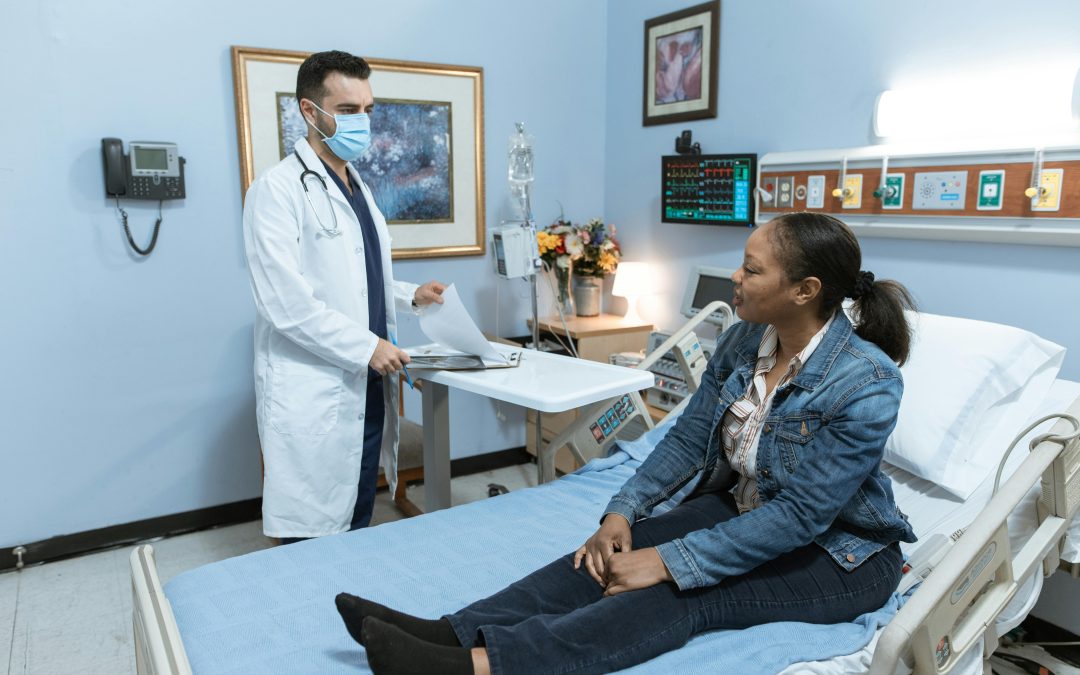
Postoperative follow-up is an important part of spine surgery recovery, yet patients sometimes view it as a routine check after the main event has passed. The procedure may be over, but healing, symptom changes, and activity decisions continue for weeks or months. Dr. Larry Davidson, a board-certified neurosurgeon with fellowship training in complex spinal surgery, encourages specialists to use follow-up visits to review recovery, answer concerns and guide patients through the next stage of care.
These appointments help connect the surgical plan with daily life at home. Patients may have questions about pain, walking, medication, wound care, sleep, therapy, or returning to work. Follow-up gives the care team a chance to confirm that recovery is progressing as expected and to address concerns before they become larger problems.
Why Follow-Up Visits Matter
A postoperative visit is more than a quick look at the incision. It helps the care team evaluate pain control, mobility, nerve symptoms, and overall healing. The early recovery period can bring soreness, fatigue, and uncertainty, so structured follow-up gives patients a clear place to ask what is expected.
These visits also help set the pace for activity. Patients may feel ready to do more before the body is prepared, or they may avoid movement because of fear. Follow-up guidance can help balance protection with gradual activity, which is often important for recovery.
Reviewing the Incision and Healing
Wound checks are a common part of early follow-up. The care team may look for redness, swelling, drainage, tenderness, or other signs that healing needs attention. Patients should mention fever, chills, worsening pain near the incision, or any other unusual changes.
Incision care can feel stressful at home, especially for patients who have not had surgery before. Clear instructions about bathing, dressing, care, and activity restrictions can reduce confusion. A follow-up visit allows patients to confirm whether healing looks appropriate and whether any care instructions need adjustment.
Tracking Pain and Nerve Symptoms
Pain after surgery can change over time. Some discomfort may come from the incision, muscle irritation, or normal healing. Nerve-related symptoms may also take time to settle, especially if compression existed for a long period before surgery. Patients should describe where the pain appears, whether it travels, and whether it is improving.
Numbness, tingling, or weakness should also be discussed. These symptoms may improve gradually, remain stable for a period, or require closer monitoring. Dr. Larry Davidson has shared, “Preparing patients for what to expect is just as important as the procedure itself. They come in that morning, get prepped, have the surgery, recover in a dedicated area, and only go home once it is medically safe to do so.” This reminder helps patients understand that recovery guidance and safety checks remain important even after they leave the surgical setting.
Discussing Medication and Side Effects
Medication review is often part of postoperative care. Patients may need help understanding how to taper pain medication, manage constipation, avoid unsafe combinations, or restart medications that were paused before surgery. These details should be handled with medical guidance rather than guesswork.
Side effects should not be ignored. Nausea, dizziness, confusion, rash, constipation, or excessive sleepiness may require changes to the plan. The goal is to control discomfort enough for safe movement and rest while reducing avoidable medication problems.
Guiding Activity and Physical Therapy
Activity guidance often changes during follow-up. Early instructions may focus on walking, avoiding certain movements, and protecting the surgical site. As healing progresses, patients may receive more specific advice about bending, lifting, driving, work, and exercise.
Physical therapy may be recommended depending on the procedure and recovery progress. Therapy can help restore strength, flexibility, posture, and confidence with movement. Patients should ask what activities are safe, which ones they should wait for, and how to increase activity without pushing too quickly.
Understanding When Imaging Is Needed
Not every follow-up visit requires imaging. Some patients are monitored through symptoms, physical exams, and functional progress. Imaging may be ordered when the procedure involves hardware, when healing needs confirmation, or when symptoms raise a concern.
When imaging is used, it should be reviewed in context. A scan can show alignment, hardware position or bone healing, but it does not replace the patient’s symptoms and exam. Patients should ask what the image is meant to show and whether it changes the recovery plan.
Preparing Questions for Each Visit
Patients can make follow-up appointments more useful by bringing specific questions. They may ask about activity limits, medication changes, sleep positions, wound care, therapy, return to work, or expected symptom changes. Writing these questions down ahead of time can help prevent important concerns from being missed during a busy visit.
It can also help to bring a brief recovery note. Patients may list walking distance, pain location, numbness, medication use and any tasks that remain difficult. This information gives the care team a practical view of recovery beyond the exam room and can guide adjustments to the care plan.
Knowing When to Call Before the Appointment
Patients should know which symptoms need attention before the next scheduled visit. Fever, wound drainage, worsening redness, chest pain, shortness of breath, calf swelling, sudden weakness or loss of bladder or bowel control should be reported promptly. Severe or rapidly worsening pain also deserves review.
Other questions may be less urgent but still important. Medication confusion, sleep problems, activity concerns, or uncertainty about wound care can often be addressed by the care team. Patients should not feel they must wait silently until the next appointment when recovery instructions are unclear.
Why Follow-Up Matters After Spine Surgery
Postoperative follow-up helps patients move from surgery into recovery with clearer guidance. It gives the care team a chance to monitor healing, adjust medications, review symptoms, and guide activity. It also gives patients a structured way to ask practical questions as daily routines resume.
A good recovery plan does not end at discharge. It continues through communication, observation, and realistic expectations. Patients who attend follow-up visits and report changes clearly are better positioned to understand progress, recognize warning signs, and take part in each stage of recovery.
