


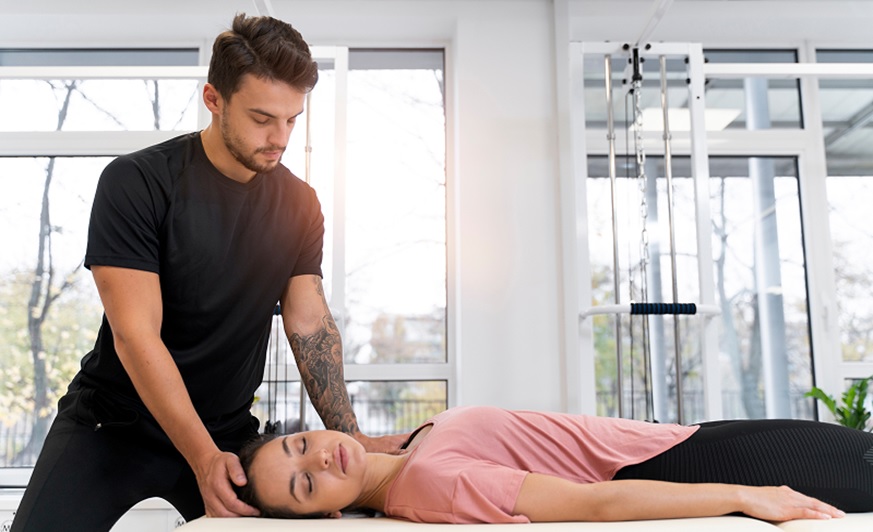
Massage treatments can differ in their techniques, pressure and intended purpose. People comparing meridian massage with Tuina massage may want to understand how each approach is performed and whether it suits their concerns.
Although both may involve hands-on techniques, the terms do not always describe identical treatment methods. Patients should ask practitioners to explain the actual procedures they offer rather than relying on the treatment name alone.
What Is Meridian Massage?
Meridian massage, often known as Acupressure therapy, focuses on stimulating key energy pathways throughout the human body. In traditional Chinese medicine principles, these pathways, or meridians, channel vital energy (Qi) to maintain optimal systemic balance and well-being.
During a typical meridian session, a therapist applies steady, targeted manual pressure along specific acupoints using thumbs, fingers, palms, or elbows. This method aims to relieve localised muscular tension, improve systemic circulation, and encourage smooth energy flow across target areas.
What Is Tuina Massage?
Tuina massage is an ancient form of Chinese manipulative therapy that incorporates a broader range of vigorous manual actions. The name itself translates to “push and grasp,” reflecting the active structural techniques utilised during treatment sessions.
Practitioners employ rhythmic pressing, rolling, kneading, wiping, and joint mobilisation to address musculoskeletal issues. Rather than focusing solely on light relaxation, Tuina often aims to alleviate joint stiffness, address soft tissue strain, and enhance mobility in restricted functional areas.
1. Learning the Main Treatment Approach
Meridian massage generally refers to massage techniques associated with traditional Chinese medicine concepts of meridians and pressure points.
Tuina massage is a traditional Chinese therapeutic technique that may involve pressing, kneading, rolling, pushing and other manual movements.
The exact approach depends on the practitioner, the patient’s condition and the treatment plan.
Patients should ask how the practitioner uses these techniques and what the session is intended to address.
2. Key Differences in Application and Goals
While both disciplines stem from traditional Chinese medicine foundations, their clinical applications and patient experiences can vary noticeably. Meridian massage generally emphasises continuous, steady pressure along targeted energetic channels, offering a soothing experience suitable for stress relief and energetic harmony.
Conversely, Tuina massage frequently employs more dynamic and direct force, similar to deep tissue therapy or sports manipulation. Practitioners may focus on specific joints or muscular regions, combining stretching techniques with structural adjustments to assist individuals suffering from localised physical discomfort or chronic pain.
| Consideration | Meridian Massage | Tuina Massage |
| Main approach | Massage associated with meridian concepts | Traditional Chinese therapeutic manual techniques |
| Techniques | May include pressure and massage along selected areas | May include pressing, kneading, rolling and pushing |
| Treatment focus | Depends on the practitioner’s approach | Depends on the assessment and selected techniques |
| Pressure | Varies according to treatment | May vary from gentle to firm |
| Session structure | Determined by the provider | Determined by the provider |
This comparison describes the general distinctions of a Meridian massage and a Tuina massage. A clinic may use overlapping techniques or offer a treatment with a specific method that differs from another provider’s service.
3. Consider the Concern You Want to Address
Patients should identify the discomfort or concern they want to discuss before choosing a massage treatment.
A practitioner may ask about the location of discomfort, its duration, movement limitations and previous treatment.
Patients should explain whether pressure, stretching or particular movements cause pain.
This information helps the practitioner assess whether the proposed technique may be suitable.
Massage should not replace medical assessment when symptoms suggest a more serious condition.
4. Discuss Pressure and Treatment Experience
The pressure used during a massage can influence the patient’s experience.
Some techniques may involve sustained pressure, repeated movements or manipulation of particular areas. Patients should ask what the session involves and whether the practitioner can adjust the technique.
They should also discuss any concerns about discomfort, previous injuries or sensitivity.
A treatment should not cause severe or unexplained pain. Patients should communicate discomfort during the session so the practitioner can respond appropriately.
5. Check Suitability and Safety
Massage suitability depends on the patient’s health, symptoms and medical history.
Patients should disclose recent injuries, fractures, surgery, skin conditions, pregnancy and relevant medical conditions before treatment.
They should also mention medication use and any symptoms that have not been medically assessed.
A practitioner should explain whether the proposed treatment is appropriate and when referral to another healthcare professional may be necessary.
Patients experiencing severe pain, new weakness, significant numbness, fever or symptoms following a serious injury should seek medical assessment rather than relying on massage.
Meridian massage and Tuina massage may share hands-on techniques, but their treatment approaches and session methods can differ. Patients should discuss their concerns, preferred pressure and health history before choosing a service.
Contact Great Wall TCM to discuss your massage preferences, understand the available techniques and arrange a consultation about meridian massage or Tuina massage.
